Home appliance reference
Fix the small faults before you call a technician.
Vervomel collects plain-language diagnostic notes for the appliances Canadian households use every day. Each guide walks through what to check first, which parts are safe to inspect yourself, and when a fault belongs to a licensed technician.

Diagnostic guides
Three faults worth checking yourself first
Many service calls in Canada start with a fault a homeowner could have ruled out in fifteen minutes. These three walkthroughs cover the most common ones.

Washer won't drain or spin
How to check the drain filter, hose and pump before assuming the motor has failed.
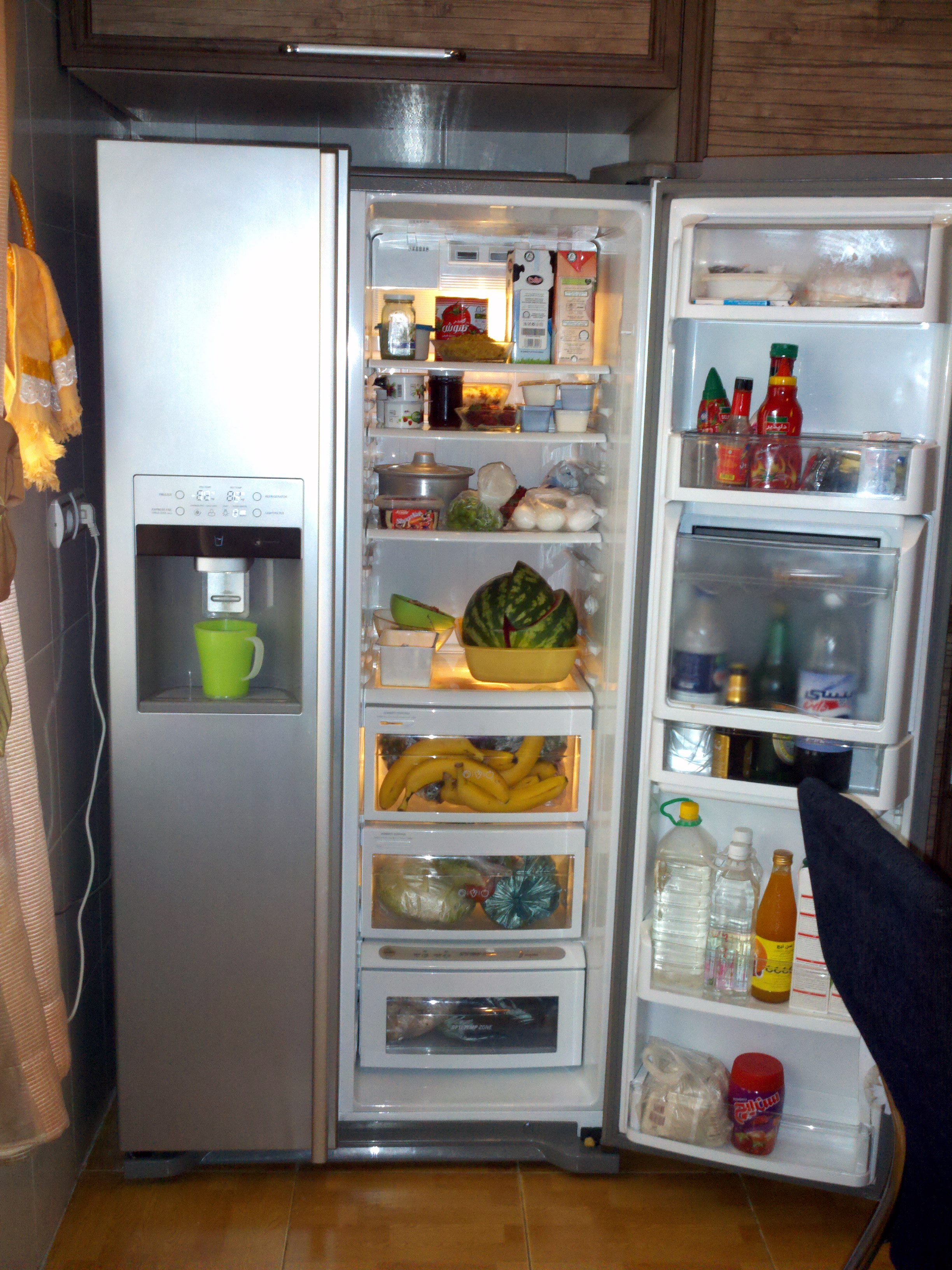
Fridge runs but won't cool
Condenser coils, door seals and airflow checks that often explain a warm fridge.

Dishes come out dirty
Clearing the filter, freeing the spray arms and the hard-water factor common in Canada.
How to use these notes
Read before you reach for a screwdriver.
Every guide follows the same order: safety first, then the cheapest and most common cause, then the checks that need a tool. Stop at the point where a repair calls for refrigerant handling, sealed-system work or mains wiring — those are regulated trades in most Canadian provinces.
- Unplug the appliance or switch off its breaker before opening any panel.
- Keep the model and serial plate handy — it lists voltage and part numbers.
- Photograph connectors before disconnecting them so reassembly is simple.

Contact
Send a question about a fault
If a guide left something unclear, describe the appliance and the symptom. Notes are reviewed and used to improve future guides. This form runs entirely in your browser and does not transmit data to a server.
- contact@vervomel.org
- Reference hours
- Monday to Friday, 9:00–17:00 (Eastern Time)
- Location
- Ontario, Canada