Refrigerators
Fridge runs but won't cool
A refrigerator that hums steadily but stays warm is rarely out of refrigerant. Far more often the problem is heat that cannot escape the condenser, cold air that cannot circulate, or a door that no longer seals. These are the checks to make before assuming a sealed-system failure.
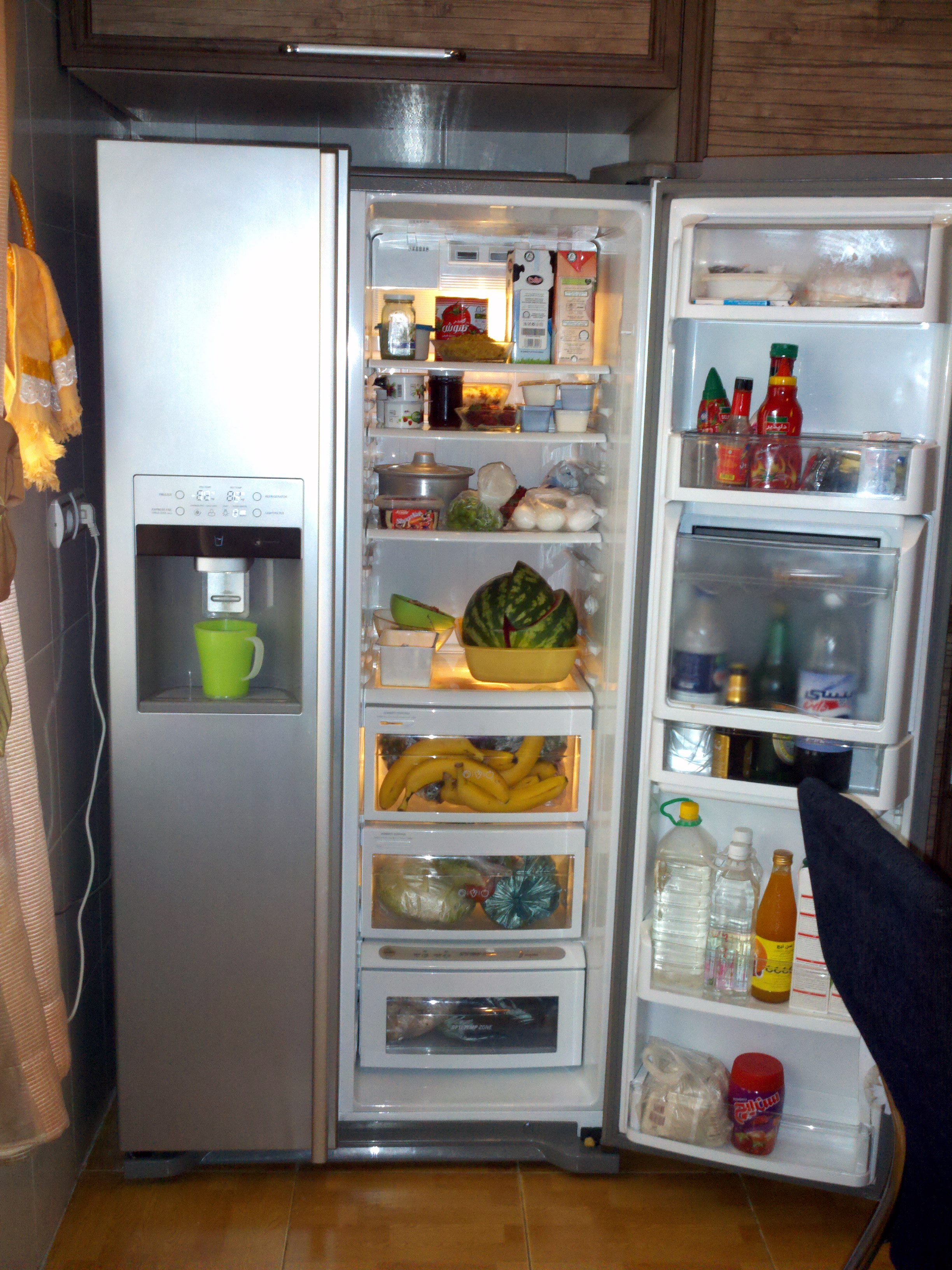
Give the appliance time. After a defrost, a power outage or a big grocery load, a healthy fridge can take several hours to recover. Use a thermometer in a glass of water rather than the digital readout to judge the real temperature.
1. Clean the condenser coils
The condenser releases the heat pulled out of the cabinet. When its coils are coated in dust and pet hair, that heat has nowhere to go and the compressor runs constantly without cooling well. On most units the coils sit behind a kick plate at the front or on the back of the cabinet.
- Unplug the refrigerator before reaching near the coils or fan.
- Vacuum the coils and the condenser fan with a brush attachment.
- Clear at least a few centimetres of space behind and above the unit for ventilation.
Coil cleaning once or twice a year is the maintenance step most often skipped, and it is the most common cause of weak cooling.
2. Test the door seals
A worn or dirty gasket lets warm room air leak in, which makes the compressor work harder and frosts up the system. The seal is easy to test.
- Close the door on a sheet of paper; if it slides out with almost no resistance, the seal is weak at that spot.
- Wipe the gasket with warm water to remove sticky residue that holds it open.
- Check the door for sagging hinges that prevent the gasket from meeting the cabinet evenly.
Many Canadian households keep a second fridge or chest freezer in an unheated garage or basement. In a cold garage the thermostat may stop calling for cooling because the surrounding air is already cool, while the freezer thaws. Appliances rated for unheated spaces handle this differently from standard kitchen units.
3. Confirm internal airflow
In a typical fridge the freezer makes the cold and a fan pushes it into the fresh-food section through vents. If those vents are packed with food or blocked by ice, the freezer can be fine while the fridge stays warm.
- Find the vents between the freezer and fresh-food compartments and clear any food blocking them.
- Listen for the evaporator fan; silence with the door switch held in can point to a fan or defrost fault.
- Look for heavy frost on the back interior wall, which suggests a defrost-system problem.
Quick reference
| Symptom | Most likely cause |
|---|---|
| Compressor runs constantly, weak cooling | Dirty condenser coils or blocked ventilation |
| Sweating, frost around the door | Worn or dirty door gasket |
| Freezer cold, fridge warm | Blocked vents or evaporator fan fault |
| No hum at all, no lights | Power, start relay or compressor — beyond this guide |
Anything involving refrigerant, sealed tubing or the compressor itself is regulated work. In Canada, handling refrigerant requires certification. If coils, seals and airflow all check out and the fridge still will not cool, contact a licensed technician rather than opening the sealed system.
Further reading
For how the vapor-compression cycle works, the Wikipedia article on refrigerators gives a clear, publicly available explanation. Canadian efficiency ratings are listed through the federal ENERGY STAR program.